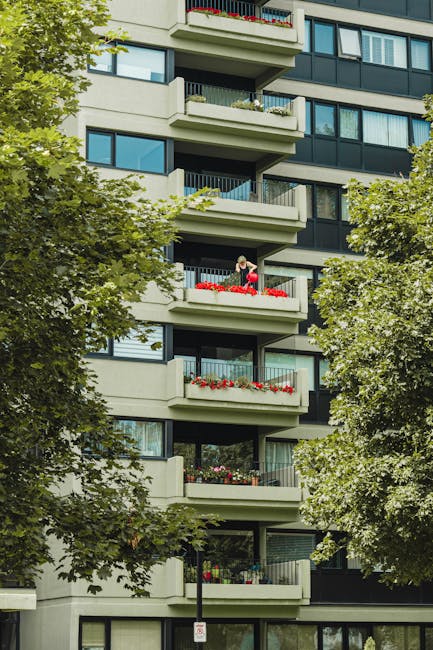
Deep clean checklist for West Brompton flats Earls Court
If you live in, manage, or are moving out of a flat in West Brompton, a proper deep clean can feel like a small project with very visible rewards. Dust hides in odd places, kitchen grease builds slowly, bathroom limescale shows up at the worst time, and the corners that seem fine at a glance are often the ones that need attention most. This guide gives you a practical, room-by-room Deep clean checklist for West Brompton flats Earls Court, built for real homes, real schedules, and the usual London flat quirks: limited storage, older fittings, compact bathrooms, and the occasional "where on earth does this dust come from?" moment.
Whether you are preparing for guests, finishing a tenancy, refreshing a rental, or just wanting a cleaner, calmer place to come home to, the aim here is simple: help you clean thoroughly without wasting energy. You will find a clear process, a sensible checklist, common mistakes to avoid, and a realistic idea of when a professional service makes more sense than doing it all yourself. To be fair, that line gets crossed sooner than many people think.
Quick take: a good deep clean is not just about making a flat look tidy. It is about removing the buildup you stop noticing day to day, improving hygiene in high-touch areas, and making every room feel properly reset.
Contents
- Why this deep clean matters
- How the process works
- Key benefits and practical advantages
- Who needs this and when it makes sense
- Step-by-step guidance
- Expert tips for better results
- Common mistakes to avoid
- Tools, resources and recommendations
- Law, compliance, standards, or best practice
- Options, methods, or comparison table
- Case study or real-world example
- Practical checklist
- Conclusion
- Frequently asked questions
Why Deep clean checklist for West Brompton flats Earls Court Matters
West Brompton flats often combine compact layouts with heavy daily use. That is a good thing in many ways - easy heating, manageable rooms, quick upkeep - but it also means dirt can concentrate fast. A hallway that sees shoes, bags, and umbrellas every day can gather grit. A small kitchen can collect grease on cabinets and extractor surfaces before you really notice. In a bathroom, hard-water marks and soap residue can build up along shower screens, taps, and tile edges in a way that makes the whole room feel older than it is.
A deep clean matters because ordinary weekly cleaning does not always reach the places that affect how a home feels. Behind radiators, around skirting boards, under appliances, inside cupboard corners, and along window frames - these are the spots that quietly change a flat from "fine" to genuinely fresh.
There is also a practical side. If you are selling, moving in, moving out, or trying to protect deposits, a properly planned clean helps reduce last-minute stress. And if you simply want the place to feel better, a deep clean can reset the atmosphere in a way that regular surface cleaning never quite does. You notice it the moment you walk in. The air feels lighter, the light hits cleaner surfaces, and the whole flat seems more looked after.
For readers who want broader local context around the area, the articles on Earls Court life from a local perspective and living locally in Earls Court are useful background reading. They help explain why homes here often need cleaning routines that suit busy, high-turnover London living.
How Deep clean checklist for West Brompton flats Earls Court Works
A deep clean works best when it follows a clear order. If you jump around room to room without a plan, you usually end up doing the same job twice. The smarter approach is to work from top to bottom and from dry tasks to wet tasks. That means dusting before wiping, wiping before mopping, and cleaning high surfaces before low ones.
In a flat, that order matters even more because debris moves easily. If you mop first and then dust shelves, you are just dropping dust back onto the floor. If you scrub a bathroom mirror before dealing with the basin splash marks, you will be back there again in five minutes. A proper system saves time and gives cleaner results.
In practice, the process usually follows four stages:
- Declutter and clear surfaces so you can reach the hidden dirt.
- Dust and vacuum thoroughly to remove loose debris from shelves, edges, and fabrics.
- Clean and sanitise high-use areas such as kitchens, bathrooms, handles, and switches.
- Finish with floors, glass, and detail work so the property feels polished rather than merely tidied.
The most useful deep cleans are also realistic. They account for the materials in the flat - laminate, stone, painted wood, stainless steel, upholstery, carpet, glass, or a mix of all of them. Not every surface tolerates the same cleaner or technique, and using the wrong one can leave streaks, dull patches, or damage. A little caution goes a long way.
Key Benefits and Practical Advantages
A deep clean gives you more than a nicer-looking flat. The benefits are practical, and in a West Brompton setting they often show up quickly.
- Better hygiene: high-touch zones such as switches, handles, taps, and remote controls are properly cleaned rather than just wiped over.
- Improved appearance: skirting boards, grout lines, windows, and kitchen surfaces stop dragging the room down visually.
- Less build-up over time: once a flat is reset, regular cleaning becomes easier and faster.
- More comfortable living: reduced dust and stale residue can make a small flat feel noticeably fresher.
- Better impression for viewings or inspections: if you are letting or selling, detail work matters. Quite a lot, actually.
- Peace of mind: there is something oddly satisfying about knowing the hidden bits are done properly.
For landlords, tenants, homeowners, and short-let hosts, the advantage is often consistency. A clean that follows the same checklist every time is easier to verify, easier to repeat, and easier to trust. That is one reason many people pair deep cleaning with services such as end of tenancy cleaning in Earls Court or domestic cleaning support in Earls Court when the schedule gets tight.
Who This Is For and When It Makes Sense
This checklist is useful for several different situations, and the right level of cleaning depends on your goal.
- Tenants moving out: when you want to leave the flat in solid condition and reduce the risk of cleaning disputes.
- New tenants moving in: because starting in a truly clean space is just easier. No one wants to unpack into someone else's dust.
- Owners preparing to sell: clean presentation can make photographs and viewings feel more inviting.
- Busy professionals: if work and travel have pushed cleaning to the bottom of the list, a reset can help.
- Families in compact flats: food spills, fingerprints, and general wear add up quickly in smaller spaces.
- Landlords and hosts: turnover cleaning needs a reliable standard, not a "quick once-over".
It also makes sense at key moments in the year. Early spring, just before guests stay, after building work, after a long period of remote work, or after a flat has sat empty for a while. If the place has that faint closed-up smell when you open the door on a cold morning, that is usually your sign.
If you are dealing with property changes, the local guides on buying property in Earls Court and selling property in Earls Court offer helpful context for why presentation and cleaning standards matter in the area.
Step-by-Step Guidance
Here is a practical, room-by-room process you can follow. You do not need fancy equipment. You do need a bit of order and patience.
1. Start with a quick reset
Before any cleaning begins, gather laundry, dishes, loose items, bins, and anything that does not belong in the room. This sounds obvious, but it is the step people skip when they are in a rush. Clear surfaces let you see the actual job.
2. Dust from the top down
Begin with ceiling corners, light fittings, the tops of wardrobes, shelves, picture frames, and curtain rails. Then move down to mid-level surfaces and skirting boards. In a West Brompton flat, dust often settles on the forgotten upper edges - especially near vents, tall cupboards, and window frames.
3. Deal with bedrooms and living spaces
Vacuum under beds and sofas if access allows. Wipe bedside tables, switches, handles, and any built-in storage. Freshen soft furnishings where needed. If upholstery needs more than a surface vacuum, you may want to look at upholstery cleaning support in Earls Court, especially for heavier fabrics or tired seating.
4. Clean the kitchen properly
The kitchen usually takes the longest because it collects both dust and grease. Focus on:
- cupboard fronts and handles
- backsplashes and splash zones behind the hob
- extractor fan surfaces and filters, where accessible
- sink, taps, and drainer
- outside of appliances
- inside of the microwave, oven, and fridge if included in the job
Grease cleaning needs a little method. Let products sit long enough to work, then wipe clean with the right cloth. Scrubbing hard on a sticky surface usually just smears the residue around. And yes, kitchen cupboard tops are still collecting dust while no one looks up there.
5. Work through the bathroom in stages
Bathrooms are about detail and limescale control. Clean the toilet, basin, bath or shower, taps, tile edges, glass screens, mirrors, and extractor cover if safe to reach. Pay attention to grout and sealant lines. Those are the places that make a bathroom look either well kept or a bit tired, even when the rest is fine.
6. Vacuum and mop floors last
Once all higher dust and debris are removed, return to the floors. Vacuum carpets slowly in overlapping passes. For hard floors, use a suitable mop and avoid over-wetting, especially on older finishes or laminate. If the carpet needs a more serious refresh, it may be worth checking carpet cleaning in Earls Court as part of a deeper property reset.
7. Finish with the details
Wipe light switches, door handles, bannisters, skirting boards, and the edges of window ledges. Then open windows if weather and security allow, just long enough to let the flat breathe a bit. That final airflow often makes a bigger difference than people expect. Small thing. Big payoff.
Expert Tips for Better Results
The best deep cleans are not always the ones with the most effort. They are the ones with the least wasted motion.
- Use two cloths when needed: one for grime and one for finishing. It avoids dragging residue back over a cleaned surface.
- Work in daylight if possible: morning light around 9am or early afternoon makes missed dust and streaks much easier to spot.
- Test on a hidden patch first: especially on wood, stone, painted finishes, and delicate fabric.
- Change water often: dirty water turns a deep clean into a smudge session.
- Focus on touch points: handles, pulls, switches, remotes, and taps are small details but they shape the whole impression.
- Do the worst room first: it builds momentum and keeps the tougher jobs from hanging over the rest of your day.
A small but useful habit is to keep one caddy for "heavy-duty" tasks and one for finishing touches. Sounds a bit organised, maybe too organised, but it stops you hunting for sprays, cloths, and gloves mid-job. That alone can save half an hour in a flat with lots of awkward corners.
For local residents who want a broader view of what the area is like, this guide to notable party locations in Earls Court is a good reminder of how active the neighbourhood can be - and why post-event or post-guest cleaning so often becomes necessary.
Common Mistakes to Avoid
There are a few easy mistakes that can make a deep clean take longer and deliver less.
- Starting with floors: dust will fall back down, so always save them for last.
- Using one cloth for everything: bathroom grime, kitchen grease, and glass all behave differently.
- Ignoring hidden build-up: behind radiators, beneath appliances, and on top of cupboards are classic missed areas.
- Over-wetting surfaces: too much water can damage wood, laminate, seams, and some upholstery.
- Rushing the bathroom: if you miss limescale or soap scum, the room still looks unclean even after the obvious surfaces are done.
- Forgetting ventilation: moisture trapped in a small flat can leave a stale finish, especially in colder months.
The most common issue, honestly, is underestimating how long a proper clean takes. A flat can look manageable at first glance and then reveal every hidden corner once you start moving furniture and looking properly. That is not failure. It is just how cleaning works.
Tools, Resources and Recommendations
You do not need a massive kit, but having the right basics makes the job smoother and safer.
| Tool or item | Best use | Helpful note |
|---|---|---|
| Microfibre cloths | Dusting, wiping, and polishing | Keep separate cloths for kitchen, bathroom, and glass |
| Vacuum with attachments | Floors, upholstery edges, skirting, and corners | A slim nozzle is especially useful in smaller flats |
| Mild all-purpose cleaner | General wipe-downs on suitable hard surfaces | Always check surface compatibility first |
| Bathroom descaler | Taps, shower screens, sinks, and limescale spots | Do not leave it on too long unless the label allows it |
| Scrub brush | Grout lines, edges, and textured grime | Use a gentle touch on delicate finishes |
| Mop and bucket | Hard floors | Change water frequently for a cleaner finish |
If your flat includes curtains, velvet furnishings, or other delicate items, it can be wise to treat them separately. For example, curtain care can be its own job rather than something you squeeze in at the end. The article on washing velvet curtains without damaging colour or texture is particularly useful if your soft furnishings need a careful approach.
As a practical recommendation, keep your checklist in the same order every time. Repetition is not boring here; it is useful. A fixed routine reduces missed spots and makes it easier to compare one clean with the next.
Law, Compliance, Standards, or Best Practice
For most household deep cleans, there is no special legal requirement that forces one exact method. Still, good practice matters, especially in rented flats and shared buildings. In the UK, tenants and landlords typically work around tenancy agreement terms, deposit expectations, and sensible property care. That means cleaners and occupants should avoid damage, use products safely, and leave the flat in a reasonable condition for the next person.
For professional cleaning, a trustworthy provider should also follow sensible operational standards: clear pricing, safe product handling, appropriate insurance, and staff trained to work carefully around furnishings, finishes, and access constraints. If you are comparing services, it helps to look at company policies as well as the cleaning itself. Pages such as health and safety policy, insurance and safety, terms and conditions, and payment and security can give you a better sense of how a company works behind the scenes.
There is also a simple best-practice point worth saying plainly: if a surface is delicate, dated, or unusually finished, do not treat it like a standard wipe-clean area. A careful cleaner pauses, checks, and uses a lighter touch. That is not overthinking. That is just avoiding expensive mistakes.
Options, Methods, or Comparison Table
Not every flat needs the same level of intervention. Here is a simple way to compare your options.
| Approach | Best for | Pros | Limitations |
|---|---|---|---|
| DIY deep clean | Light to moderate buildup, flexible schedules | Lower cost, full control, useful for maintenance | Time-consuming, easy to miss hidden areas |
| Room-by-room professional clean | Busy households, move-ins, periodic resets | More thorough, less personal effort, consistent finish | Costs more than doing it yourself |
| Targeted specialist cleaning | Carpets, upholstery, curtains, or problem areas | Excellent for specific items and stubborn buildup | Does not replace a full flat clean |
For many West Brompton flats, the most efficient option is a mix: handle the easy maintenance yourself and bring in help for the tough or time-heavy parts. That blend often gives the best value without making the process feel overwhelming. If you want a broader view of available cleaning services, the services overview is a sensible place to start.
Case Study or Real-World Example
Here is a typical scenario. A one-bedroom flat near Earls Court has been lived in by a busy professional for a year. The flat is tidy enough at a glance, but the kitchen has grease around the extractor area, the bathroom has a visible film on the glass, and dust has collected behind the sofa and around window ledges. Nothing dramatic. Just normal life, really.
The first pass is spent decluttering and collecting laundry and dishes. Then the cleaner works top to bottom: light fittings, shelves, skirting, kitchen cupboards, the hob surround, bathroom tiles, taps, mirrors, and finally the floors. The vacuum reveals hidden dust under the bed, and the bathroom takes longer than expected because of the limescale around the tap base. A second cloth is used for finishing glass and polished surfaces.
By the end, the flat does not just look better in photos. It feels easier to live in. There is less visual noise, less smell from stale residue, and less "I should really get to that later" energy hanging over the place. That last part matters more than people admit.
This is the main reason a checklist is useful. It turns a vague job into a sequence of concrete actions. Once the sequence is clear, the task becomes much less stressful.
Practical Checklist
Use this checklist as a working guide for a thorough deep clean. Tick off each area as you go.
- Declutter all rooms and remove loose items.
- Empty bins and replace liners.
- Dust ceiling corners, lights, and upper shelves.
- Wipe picture frames, mirrors, and window ledges.
- Clean skirting boards and door frames.
- Dust and wipe switches, handles, and remote controls.
- Vacuum soft furnishings and under accessible furniture.
- Clean kitchen cupboard fronts, handles, and splashbacks.
- Degrease hob, extractor surfaces, and cooker areas.
- Clean sink, taps, and drainer.
- Wipe inside and outside of microwave and fridge where needed.
- Scrub bathroom basin, toilet, bath, shower, screens, and tiles.
- Remove limescale from taps and glass as appropriate.
- Clean bedroom surfaces, wardrobes, and bedside furniture.
- Vacuum carpets slowly and thoroughly.
- Mop hard floors with suitable cleaner.
- Check behind and around appliances for hidden dust.
- Finish with glass, polishing, and final touch-ups.
- Air the flat briefly to freshen the space.
Use this simple rule: if it is touched often, seen often, or collects moisture often, it belongs on the checklist.
Get a free quote today and see how much you can save.
Conclusion
A solid deep clean is one of the simplest ways to make a West Brompton flat feel better, work better, and present better. The trick is not doing everything at once or chasing perfection in every corner. It is following a sensible order, paying attention to the places people usually miss, and knowing when a professional hand will save you time and trouble.
If you are moving, preparing for a tenancy change, or simply trying to reset a flat that has quietly accumulated the usual London grime, this checklist gives you a clear starting point. Keep it practical, keep it repeatable, and do not worry if the first pass takes longer than expected. That is normal. The next one gets easier.
And once the work is done, there is a small but lovely moment when you step back, look around, and realise the place feels like itself again. That is the part most people are really after.
Frequently Asked Questions
What is included in a deep clean for a flat?
A deep clean usually includes detailed dusting, kitchen degreasing, bathroom sanitising, skirting boards, doors, switches, glass, floors, and hard-to-reach areas. In some cases it also includes appliances, upholstery, or carpet-focused work.
How often should a West Brompton flat be deep cleaned?
There is no single rule, but many people arrange a deep clean a few times a year, or after a tenancy change, large event, or long period of neglect. Smaller flats can show dirt faster, so timing often depends on how busy the home is.
Is a deep clean the same as end of tenancy cleaning?
Not quite. A deep clean is a broad, thorough clean for general upkeep or reset purposes. End of tenancy cleaning is usually more detailed and aimed at handing a property back in a condition that meets rental expectations.
How long does a deep clean usually take?
It depends on flat size, condition, and what is included. A compact flat may take several hours, while larger or heavily used properties can take much longer. If there is a lot of grease, limescale, or hidden dust, the time quickly adds up.
What rooms should I prioritise first?
Start with the kitchen and bathroom if they are the most heavily used, then work through living areas and bedrooms. Within each room, clean from top to bottom so dust does not fall onto already cleaned surfaces.
Can I deep clean a flat myself?
Yes, many people do. A DIY clean works well if you have time, the right products, and a sensible checklist. If the flat is large, the condition is poor, or the deadline is tight, professional help may be the easier choice.
What are the hardest areas to clean in a flat?
Kitchens, bathrooms, skirting boards, behind appliances, around radiators, and soft furnishings are usually the hardest. These areas collect grease, limescale, dust, and general wear in ways that are easy to miss.
Do I need special products for limescale and grease?
Often, yes. Bathroom limescale and kitchen grease respond better to targeted cleaners than to plain detergent alone. Always check that the product is suitable for the surface, especially on delicate finishes.
Is it worth booking carpet or upholstery cleaning as part of a deep clean?
If carpets or sofas are visibly dull, stained, or dusty, then yes, it can make a noticeable difference. Soft furnishings hold onto dirt in a way hard surfaces do not, so a full flat reset often benefits from specialist care.
How do I know if a cleaning company is reliable?
Look for clear service information, sensible policies, transparent payment details, and evidence that they treat safety and property care seriously. It helps to review pages like the company's about information, health and safety policy, and terms before booking.
What is the biggest mistake people make when deep cleaning?
The most common mistake is cleaning in the wrong order. If you do floors first, skip hidden areas, or use the wrong product on a surface, the result can look tidy but not truly clean. A checklist stops that from happening.
Can a deep clean help with moving in or moving out stress?
Absolutely. It reduces the number of loose ends, makes the flat easier to inspect, and gives you a clearer sense of control. That matters more than people think when boxes are everywhere and the day is already noisy.